
A few words about scaffolding
The Most Common Types of Scaffold Structures Used on Buildings in the UK
Scaffolding is one of the most fundamental temporary works in UK construction, providing access, support, and protection for workers and the public around building sites. Although it is often seen as a simple network of tubes and boards, the reality is far more complex. UK scaffolding has evolved into a highly engineered discipline governed by strict regulatory frameworks, including TG20:21 guidance from the NASC, BS EN 12811 standards, and robust training requirements. As construction methods advance and health and safety expectations rise, scaffolding systems have diversified to suit a wide range of applications. From traditional tube and fitting scaffolds to sophisticated modular systems and specialist structures, each type serves a specific purpose. This article explores the most commonly used scaffold structures in the UK and explains how each supports safe access, efficient construction, and compliance with national standards.
1. Tube and Fitting Scaffolding
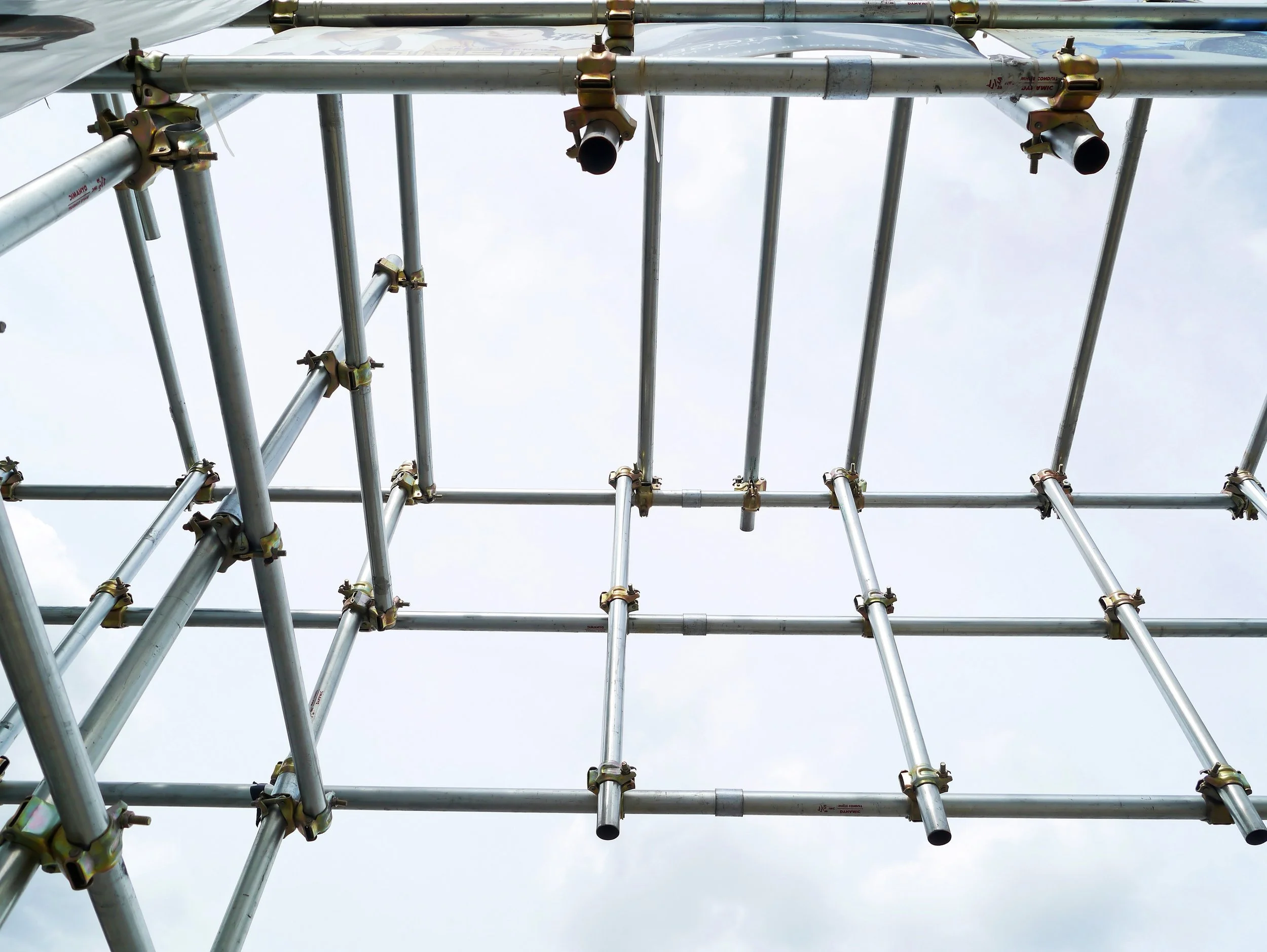
Tube and fitting scaffolding is the most traditional, and still the most widely used, form of scaffolding in the UK. Its popularity stems from its flexibility by combining 48.3mm diameter galvanised steel tubes with a variety of steel or aluminium fittings, scaffolders can construct virtually any configuration required.
Why it remains popular
Versatility
Tube and fitting can conform to irregular building shapes, historic façades, and complex geometry where system scaffolds may be limited.
Strength
When erected correctly, tube structures provide exceptional load-bearing capacity suitable for heavy-duty works.
Adaptability
Adjustments can be made quickly on site, making it ideal for refurbishments and urban environments where obstacle must be negotiated.
Typical uses
Façade access for refurbishment and recladding
High-rise construction
Temporary roofs
Support scaffolds and birdcage structures
Despite the rise of modular systems, tube and fitting remains indispensable across UK construction, particularly where bespoke designs are required.
2. System (Modular) Scaffolding
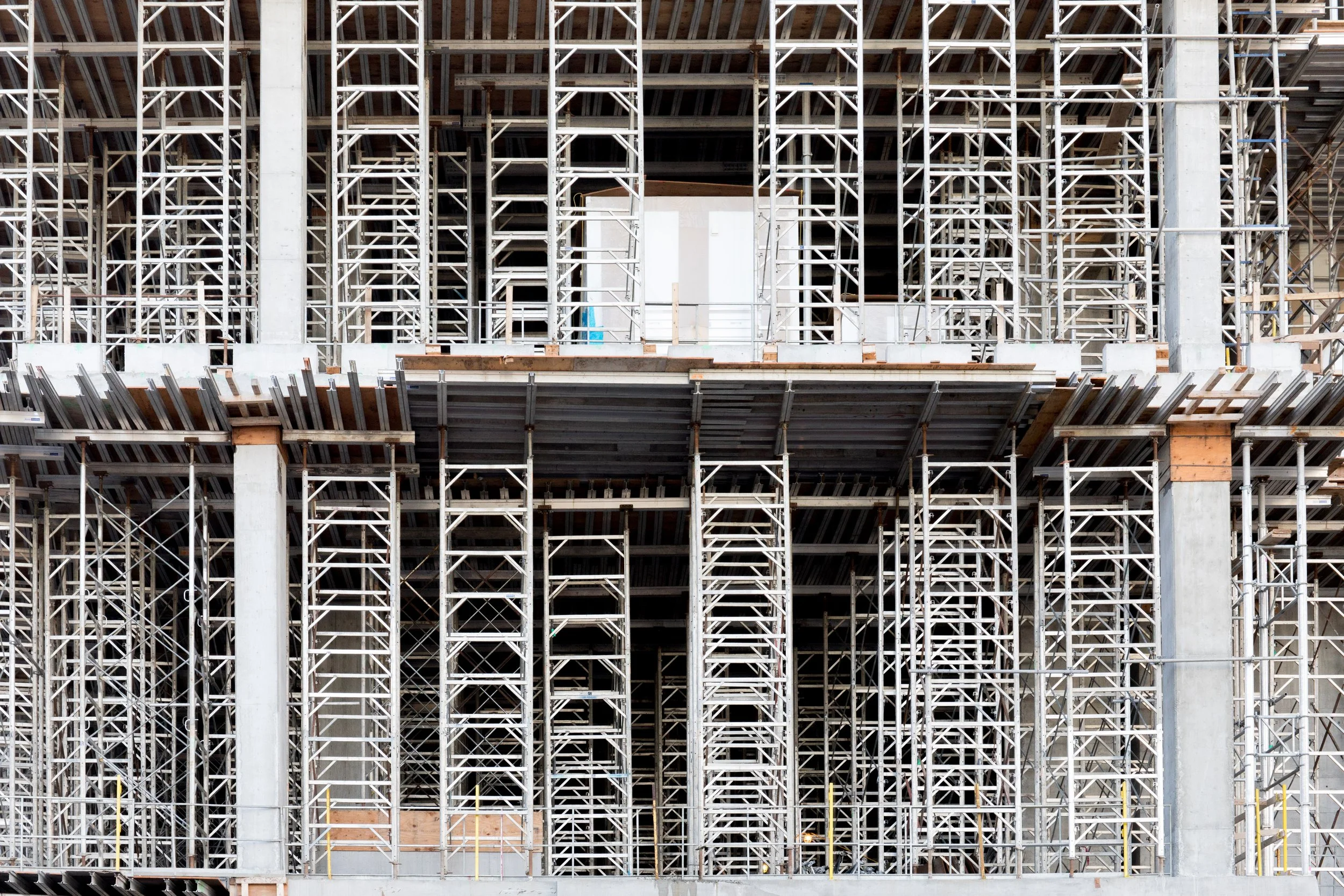
System scaffolding, often referred to as “modular” or “pre-fabricated” scaffolding, has grown significantly in popularity across the UK due to its speed of installation and enhanced safety features. Instead of loose fittings, system scaffolds use prefabricated horizontals and verticals with built-in connection points.
The UK market features several leading proprietary systems, including:
Cuplock®
Kwikstage
Ringlock / Allround® / Layher
Haki®
Although each brand works slightly differently, they share the same principle: standardised components that lock or clip together.
Benefits
Speed - System scaffolds can be erected up to twice as fast as tube and fitting in some applications.
Standardisation - Reduced risk of incorrect assembly because fewer component types are used.
Safety - Integrated guardrails, non-slip decks, and built-in access features.
Cost-effectiveness - Labour savings over large or repetitive projects.
Where system scaffolding is used
New-build housing developments
Industrial sites (e.g., power stations)
Large façade elevations
Events and temporary structures
Infrastructure projects
System scaffolds offer exceptional efficiency where repetitive or large-scale access is required.
3. Independent (Double) Scaffolds
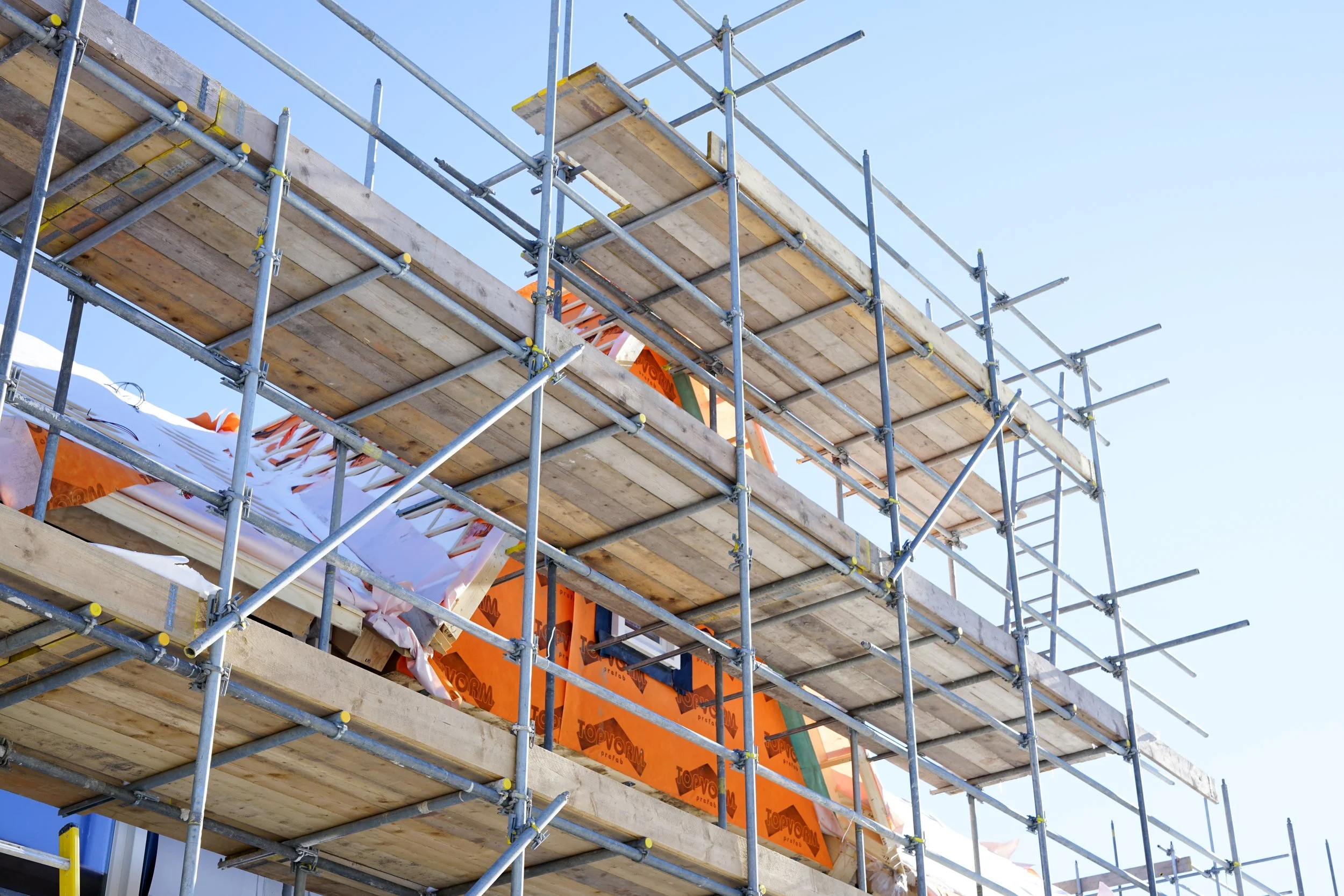
Independent scaffolds, commonly called double scaffolds or mason’s scaffolding, are frequently used for facade access on buildings. They consist of two parallel rows of standards: one row close to the building, the other further out, connected by ledgers and transoms.
Key features
Free-standing stability - The scaffold does not rely on the building for its primary support.
Ties - Even though termed “independent,” these scaffolds still incorporate ties into the building for lateral stability.
Multiple lifts - Decks can be installed at regular vertical intervals (usually 2 metres).
Used for
Masonry work
Bricklaying
Rendering and re-pointing
Window replacement projects
Independent scaffolding remains the backbone of UK façade access due to its simplicity, reliability, and compliance with TG20:21 designs.
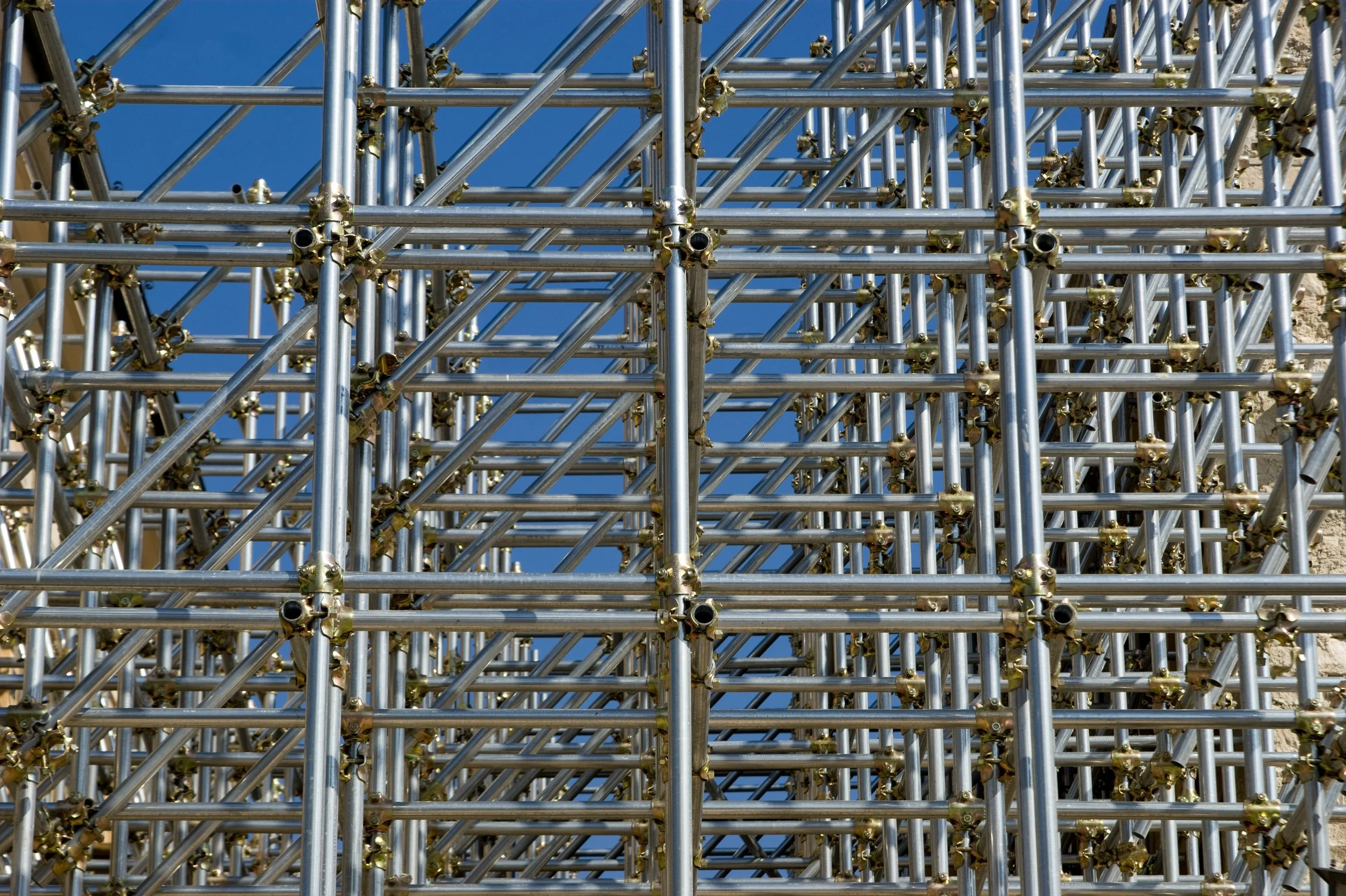
Birdcage scaffolds are freestanding structures constructed with multiple rows of standards connected by ledgers in both directions, forming a grid. They are primarily used to provide safe working platforms inside buildings.
Typical scenarios
Ceiling repairs or installations
Mechanical and electrical (M&E) works
Large indoor halls, atriums, and shopping centres
Historic building conservation
Why birdcages are useful
Large uninterrupted platforms
They can support broad areas of decking.
Customisable height
Ideal for high-level works that require stable, fully decked platforms.
Indoor stability
Since they are enclosed or sheltered, wind loading is usually minimal, simplifying design.
Birdcages are highly valued in refurbishment and fit-out sectors where overhead access is required.
4. Birdcage Scaffolding
5. Mobile Access Towers
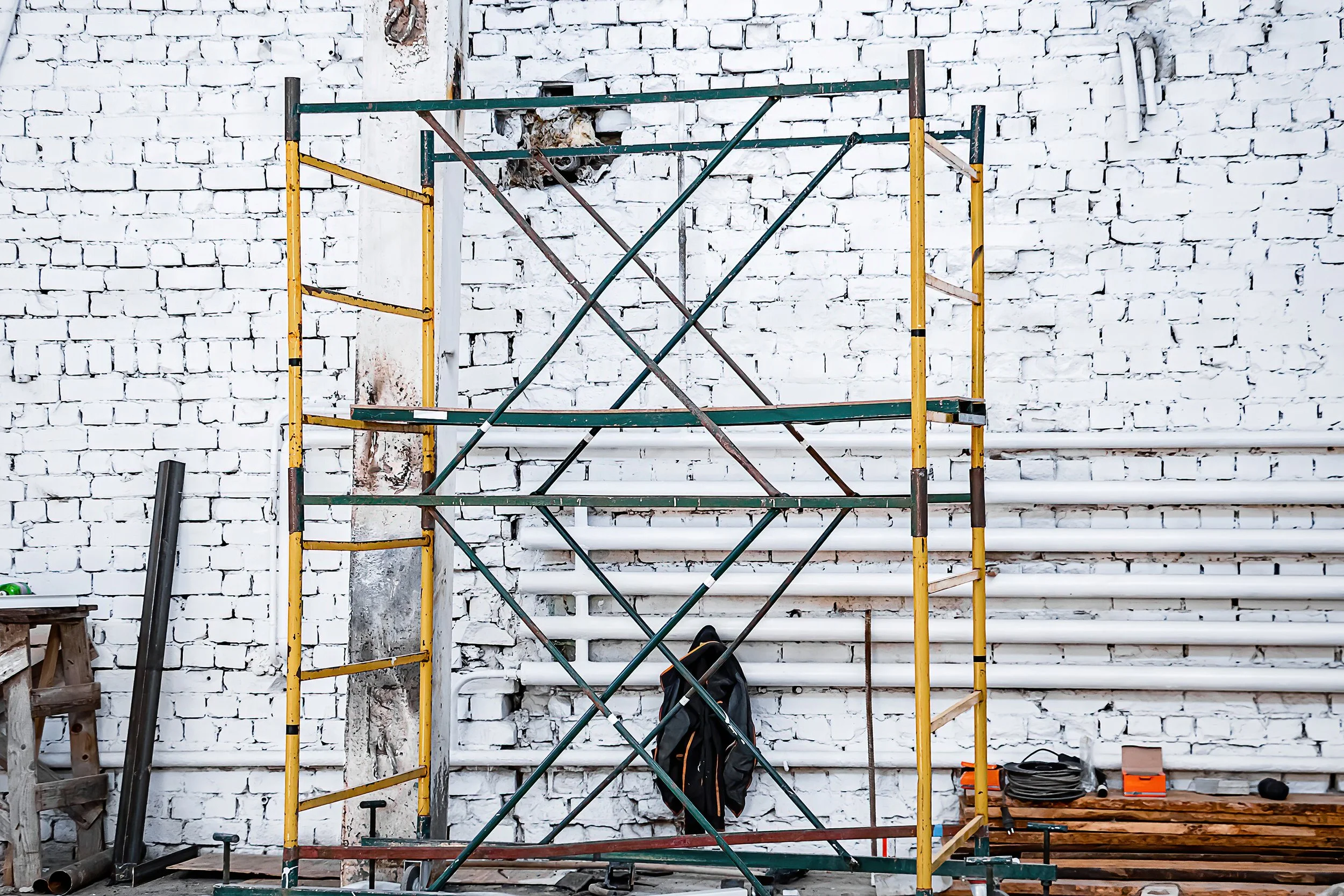
Although not traditionally classed with larger scaffolding structures, mobile towers are widely used on UK building sites and fall under the general category of temporary access.
Typically built from lightweight aluminium components, mobile towers are assembled rapidly and can be moved easily using built-in castor wheels.
Advantages
Lightweight and quick to erect
Ideal for short-duration tasks
Can be operated by PASMA-trained workers
Suitable for internal and external use
Common applications
Painting and decorating
Installations and maintenance tasks
Small-scale facade or gutter repairs
Their convenience makes them a staple for minor works where erecting a full scaffold is unnecessary.
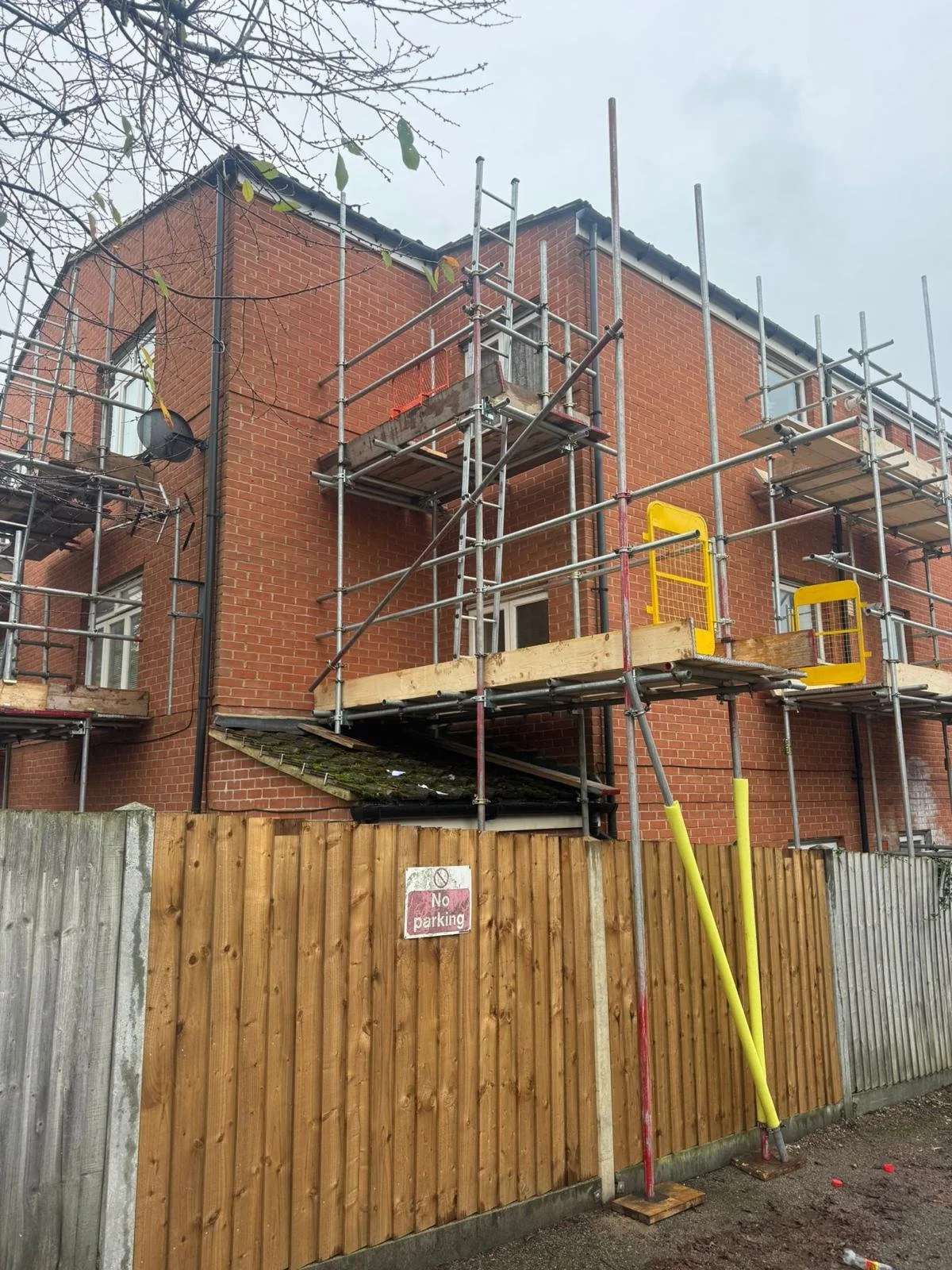
Cantilever scaffolds are used when ground conditions or access constraints prevent standards from being placed directly below the working platform. Instead, the scaffold is supported by cantilever beams protruding from the building or a secure anchor point.
Appropriate use cases
Narrow alleyways or busy pedestrian routes
Areas restricted by glass roofs or conservatories
When ground is fragile or uneven
On historic buildings where ground support is impractical
Cantilever scaffolds require careful design and are used sparingly, but remain vital in urban environments such as central London.
6. Cantilever Scaffolding
7. Suspended (Hanging) Scaffolds
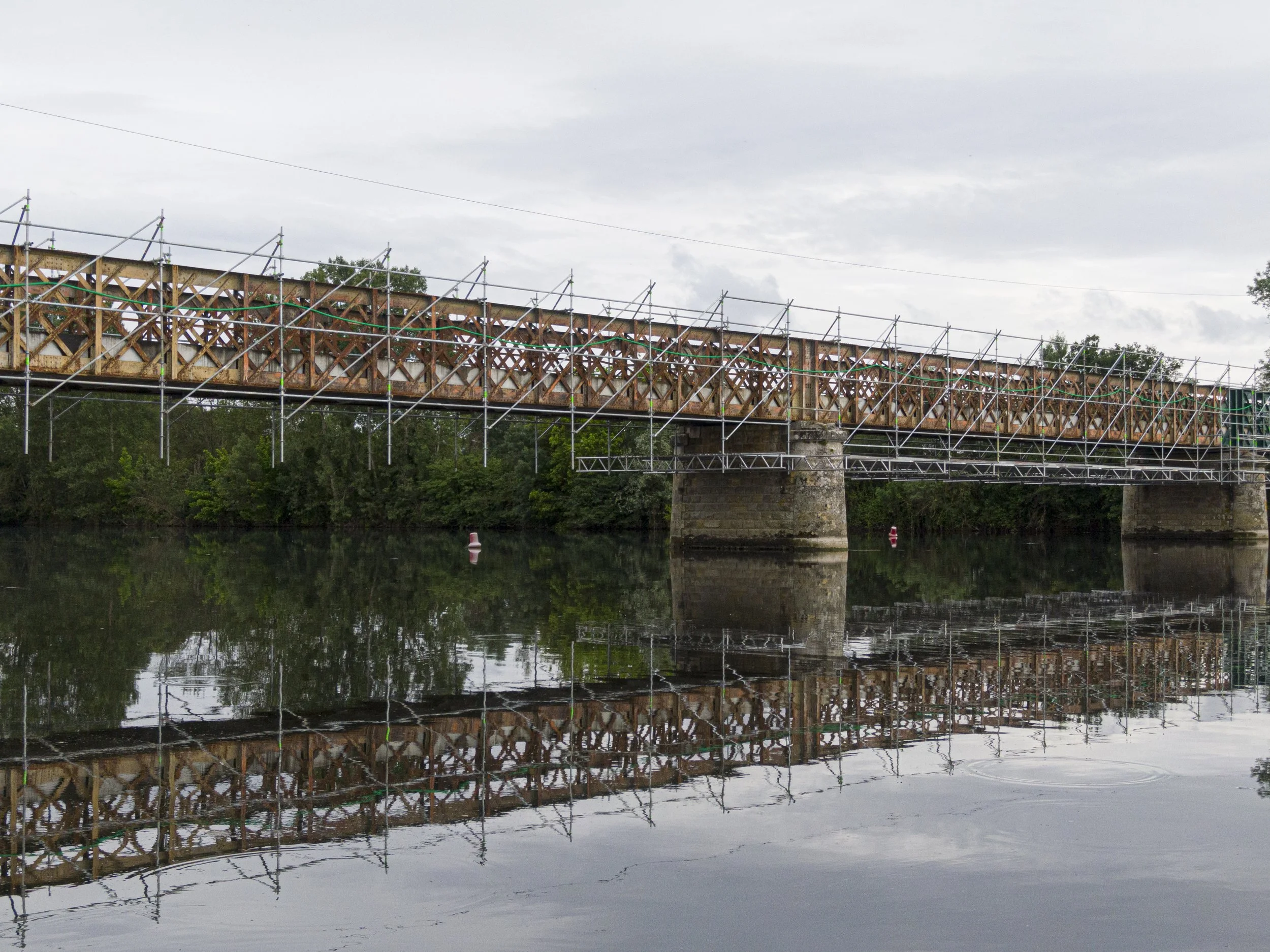
Suspended scaffolds and the similar hanging scaffolds are platforms supported from overhead structures such as roofs/beams or ropes/chains. They are not supported from the ground.
Benefits and uses
Ideal where ground access is impossible (e.g., over water, atriums)
Useful for bridge maintenance or dockside structures
Allows continuous elevation adjustments if motorised (e.g. BMUs)
Minimises ground obstruction in busy public areas
These scaffolds must be designed by temporary works engineers and installed by trained specialists.
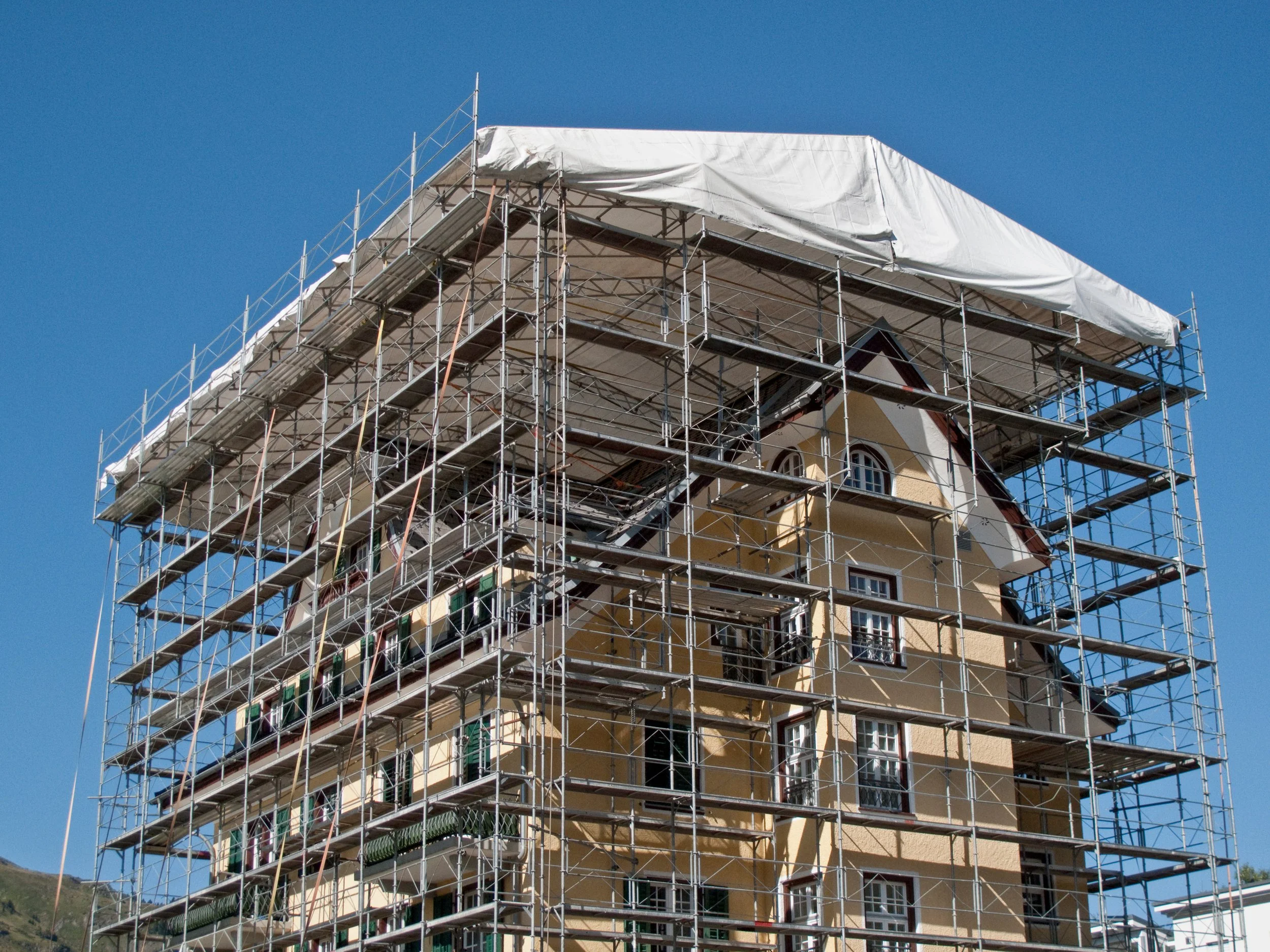
Temporary roofs protect construction works from the UK’s unpredictable weather. They are built using either tube and fitting or modular roofing systems (such as Haki or Layher).
Features
Lightweight aluminium truss beams
Sheeted or shrink wrapped coverings
Designed to withstand wind loads
Often built as part of an independent scaffold
Where they’re used
Roof replacements
Heritage restoration
Long term refurbishments
Weather sensitive construction phases
Temporary roofs have become increasingly common as clients prioritise weatherproof programmes and reduced delays.
8. Temporary Roof Scaffolding
Conclusion
The UK scaffolding industry uses a diverse range of structures, each designed to meet specific challenges in building access, safety, and temporary support. From the traditional flexibility of tube and fitting to the efficiency of modular systems, and from birdcages to suspended platforms, the variety reflects the complexity of modern construction. As regulations tighten and safety expectations grow, scaffold design and installation continue to evolve, balancing traditional craft skill with engineering innovation. Whether for a simple façade refurbishment or a major infrastructure project, choosing the right scaffold structure remains essential to delivering safe and efficient construction across the UK.