
News
1. Safety Milestone: UK Scaffolding Incident Rate at Historic Low

The UK scaffolding industry has recorded a significant safety milestone: the lowest accident rate in the history of its main trade body. According to the National Access & Scaffolding Confederation (NASC), its 2025 safety report shows that in 2024 just 73 RIDDOR-reportable incidents occurred across its membership — a sharp 16% drop on the previous year.
A total of 19,442 operatives work within NASC’s member companies, and despite a 22% growth in contractor membership (54 new firms joined in 2024), both the Accident Frequency Rate (AFR) and Accident Incident Rate (AIR) remain among the lowest on record (0.20 and 3.75 respectively).
NASC’s Chief Executive, Clive Dickin, attributed the low numbers to a strong “safety-first culture” across the sector. He emphasized, though, that the industry must not become complacent: even one serious incident can reverberate across the community.
This record low comes amid a boom in NASC’s membership — a sign that more scaffold contractors are joining the standard-setting body. For the wider industry, the report underscores how structured safety programmes, strong training, and rigorous oversight can tangibly reduce risks in a high-hazard field.
2. Governance Overhaul: Independent Body to Oversee Scaffolding Training

In a major shake-up for scaffolding training in the UK, the Construction Industry Scaffolders Record Scheme (CISRS) has announced the creation of an independent oversight organisation: CISRS Quality Assurance Committee Ltd (CISRSQAC).
This new body follows a governance review conducted in late 2024, and replaces the previous oversight organisation, marking a realignment of power within training. CISRSQAC will be employer-led, but also include representation from trade unions, accredited training centres, and industry bodies such as CITB. Its remit: to oversee course development, training standards, certification consistency, and to respond to emerging industry needs with research-based improvements.
To ensure impartiality, CISRSQAC has committed to appointing an independent chair who is not drawn from CISRS or NASC. Key stakeholders, including Unite, the Scaffolding Association, and other training providers, will take seats on the committee.
NASC’s CEO Clive Dickin said this new structure will put “training oversight firmly in the hands of the industry” while strengthening international recognition of UK scaffold training.
By separating training governance from trade-body control, the sector aims to raise confidence in scaffolders’ certification, improve consistency in instruction, and better serve both domestic and global markets.
3. UK Scaffolding Goes Global: New International Body Aims to Align Standards
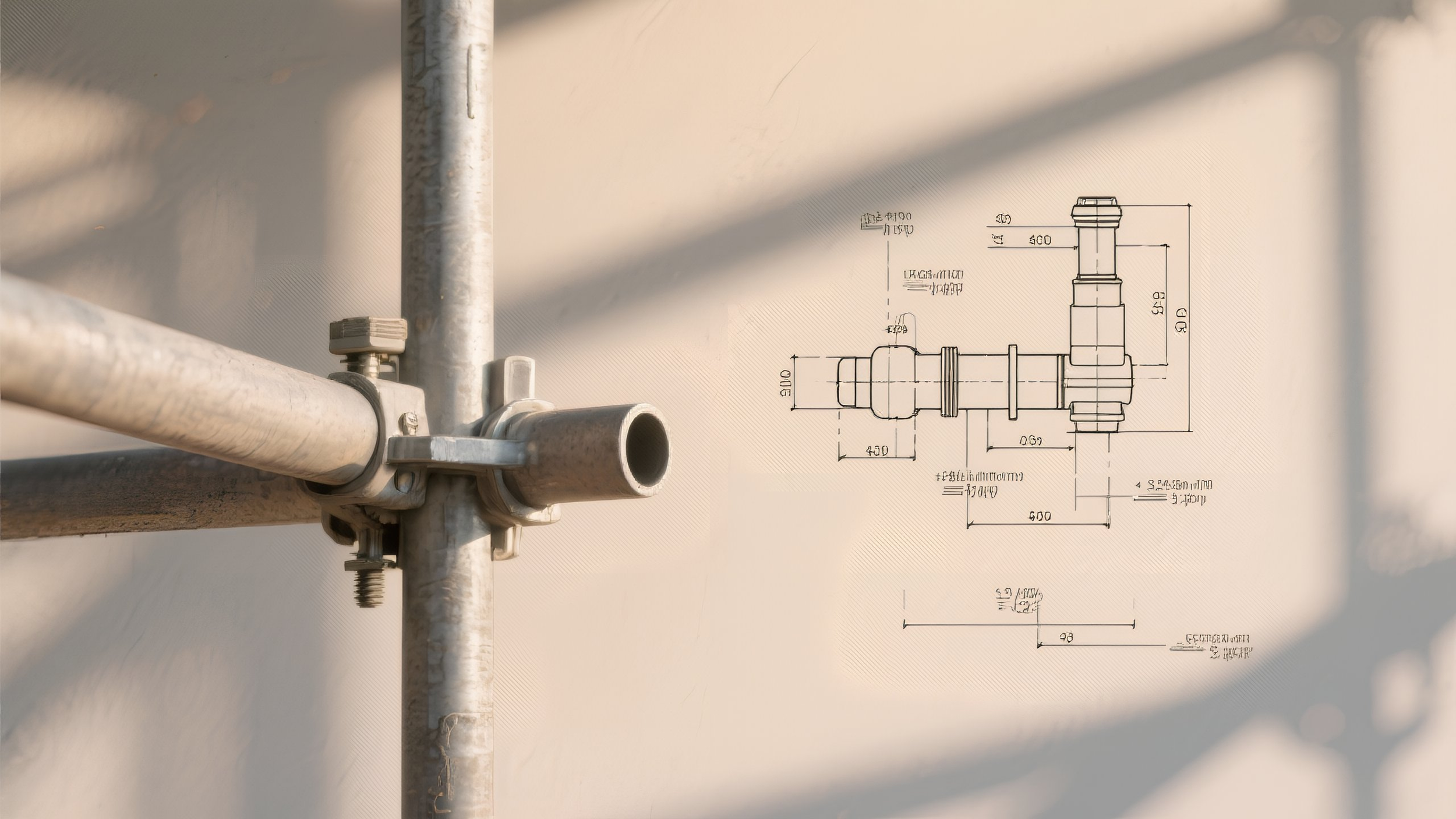
A new International Access & Scaffolding Association (IASA) has been launched, marking a turning point for the UK scaffolding industry on the world stage. The association was formally established at ScaffEx25, the scaffolding and access trade event held in Manchester from 11–12 September 2025.
IASA brings together the NASC (UK) and major scaffolding trade associations from countries including Japan, Australia, Canada, New Zealand, Malaysia, and the U.S. Its mission is ambitious: align global standards, standardise training, raise safety and compliance, share technical best practices, and enhance the image of scaffolding as a critical sector within construction and infrastructure.
Among IASA’s first five agreed priorities: building a cross-border talent pipeline, strengthening training and compliance, promoting innovation, and advocating for scaffolding’s role in construction. According to NASC President Wayne Connolly, this collaboration “secures scaffolding’s rightful recognition” globally.
By participating in IASA, UK scaffolders can both influence and benefit from globally harmonised training standards, supporting workforce mobility and raising quality across international projects. For UK contractors eyeing overseas work, the new body is a potentially transformative lever.